
Texas Landowner’s Lawyer
for High-Stakes Condemnation
When the Government Comes for Your Property,
Your Rights Must Be Protected

The Process Is Structured.
So Must Be Your Response.
The Texas Constitution requires adequate compensation when private property is taken for public use. But the initial offer is not a final determination. It is a starting position.
You are the property owner.
You have rights.
And the outcome will depend on how strategically those rights are asserted.
Condemnation cases often involve:
Highway expansions (TxDOT)
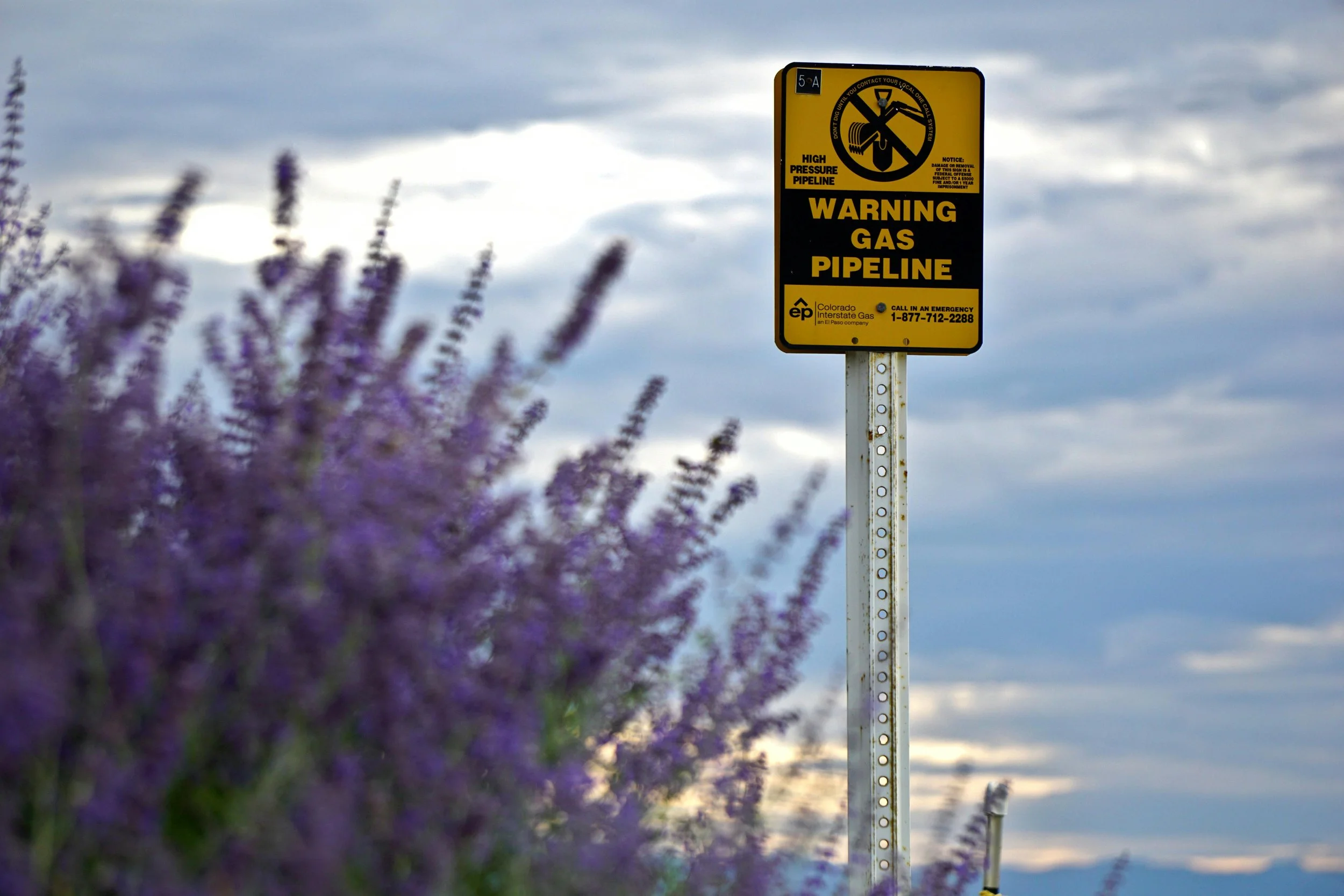
Pipeline easements
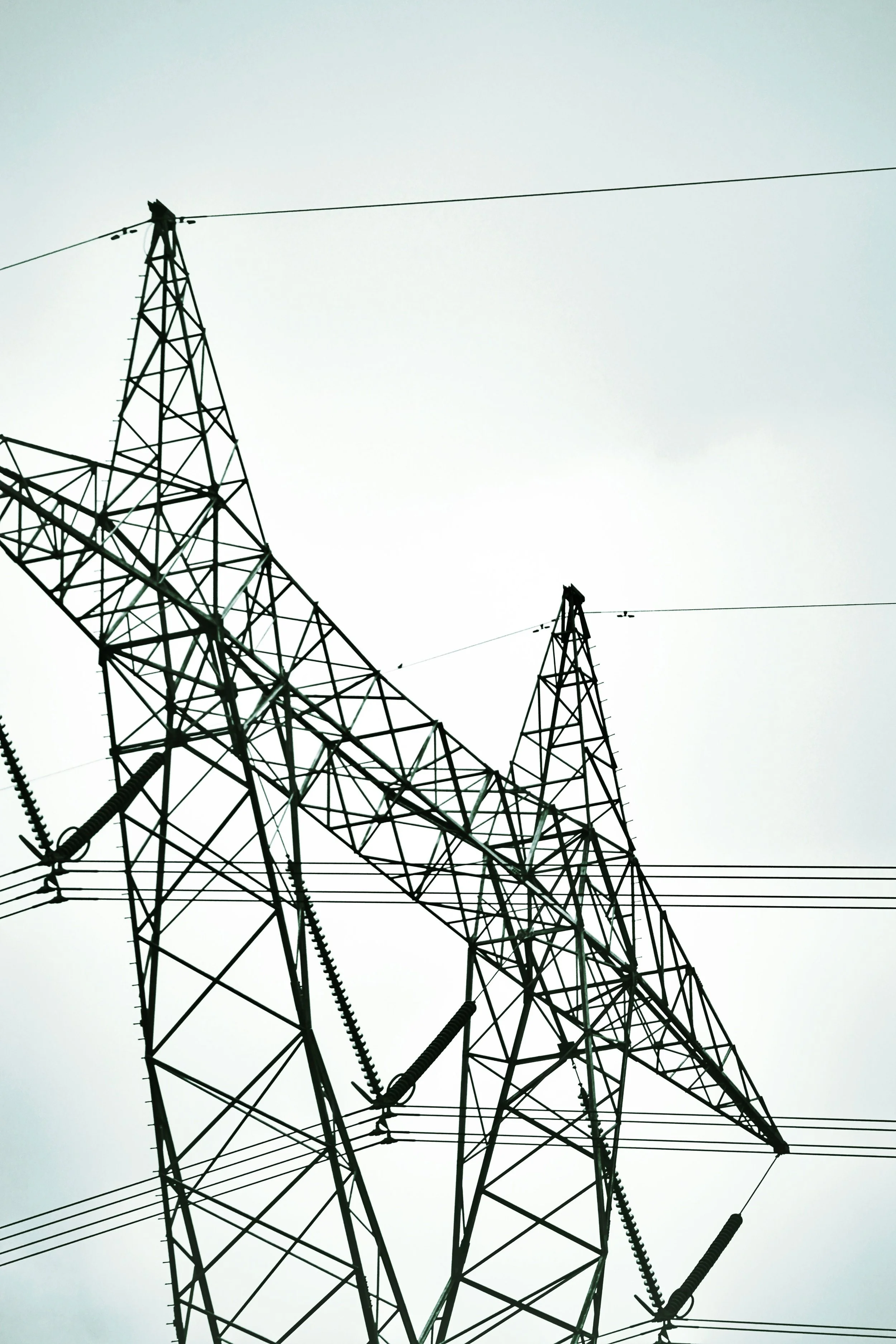
Electric transmission lines
Utility corridors
Partial takings and remainder damage
Access impairment
Compensation may extend beyond the land acquired. Market impact to the remainder often is the largest part of the case. But that has to be strategized and argued by someone who knows these kinds of cases well.
Leverage Comes From Preparation
Highest and best use analysis
Remainder damage evaluation
Appraisal methodology review
Special commissioners’ hearing preparation
Trial readiness in county courts at law
When the condemning authority evaluates risk, it evaluates whether you are prepared to try the case.
Our Practice Areas
-
TxDOT Highway Takings
Access changes. Partial acquisitions. Development impairment.
-
Pipeline & Utility Easements
Permanent easements. Agricultural disruption. Development impact.
-
Inverse Condemnation
Examples include: Flooding. Regulatory interference. Access elimination.
Clear Strategy
-
1. Evaluate the Taking
We analyze scope, access impact, and valuation avenues.
-
2. Develop the Valuation Strategy
We coordinate expert analysis of highest and best use, value and market impact.
-
3. Position for Leverage
Preparation for commissioners and trial shifts negotiation dynamics.
The Landowner’s Guide
What compensation is owed for the property rights acquired and the legally compensable damage to the land that remains?
A quick overview of the latest state laws describing how the acquisition process unfolds.
What are factors that should be considered when trying to determine just compensation in condemnation cases?
Cardinell Law is a no BS firm. We know landowners care about the integrity of their land. They don’t need lawyers who waste time on stock photos and pretty talk. They need someone who cares as much about their land as they do and who is willing and able to fight for it.
We actually try cases.
We understand valuation beyond surface damages.
We protect multigenerational land legacy.
We are not a volume negotiator — we are a courtroom threat.
Landowner protections requires strategic enforcement.
Condemnation is permanent. Once rights are taken, they rarely return.
Contact Our Practice
Schedule a complimentary consultation to discuss your goals and receive a personalized legal action plan.
** All consultations are confidential. Submission does not create an attorney-client relationship.
Frequently Asked Questions About Texas Eminent Domain and Condemnation
-
Eminent domain is the legal authority that allows the government—or certain private entities such as pipeline or utility companies—to take private property for public use. Under both the U.S. Constitution and the Texas Constitution, property cannot be taken without payment of “just compensation.”
In Texas, this process is governed by statutory procedures that begin with an offer and can proceed to a special commissioners’ hearing and, if necessary, a jury trial.
-
A condemnation case is the legal proceeding through which a condemning authority seeks to acquire private property when an agreement on price cannot be reached. It is the formal litigation stage of eminent domain.
The case determines:
The fair market value of the property taken
Damages to the remaining property (in partial takings)
Certain access or impairment issues
Other compensable losses recognized under Texas law
-
Unfortunately, in most cases, there is really only one possible outcome when your property is being condemned, the payment of “just compensation.” While there are instances where a condemnor makes the decision to not acquire property, those occurrences are extremely rare.
However, if it can be shown that the entity seeking to acquire your property does not have the power to condemn, is not acquiring the property for a public need or purpose or has failed to properly follow the condemnation process, you may be able to prevent the taking. Again, these are very rare occurrences.
Assuming that the entity has the power of eminent domain, is taking it for a public purpose and assuming that it has followed the condemnation process properly, the only outcome is the government will successfully condemn your property. Your only recourse then is to maximize the amount of compensation you receive for the taking. In order to accomplish that, you MUST retain an attorney that specializes in eminent domain/ condemnation cases. You only have one chance to be compensated for the taking. As such, only an attorney who exclusively handles these types of cases can identify the different courses to take to maximize the amount of just compensation you receive.
-
Just compensation is the fair market value of the property being taken at the time of the acquisition. In partial takings, compensation may also include damage to the remainder of the property.
Valuation is not determined by the government’s initial offer. It must be supported by admissible appraisal methodology, market evidence, and legal standards established by Texas courts—including precedent from the Texas Supreme Court.
-
Fair market value is typically determined by qualified real estate appraisers using recognized approaches such as:
Comparable sales analysis
Income capitalization (for income-producing property)
Highest and best use analysis
In many cases, the key dispute is not just current use, but the legally permissible and reasonably probable highest and best use of the property.
-
After negotiations, the condemning authority files a petition, and three Special Commissioners are appointed to determine compensation. This is an administrative valuation hearing—not a full jury trial.
If either side objects to the award, the case proceeds to district court as a standard civil lawsuit, where compensation can be determined by a jury.
-
No. The initial offer is based on the condemning authority’s appraisal. Landowners have the right to:
Retain independent counsel
Obtain their own appraisal
Challenge valuation methodology
Object to the commissioners’ award
Proceed to jury trial
The initial offer is often the starting point—not the final number.
-
Yes, in many partial takings. Texas law allows recovery for diminution in value to the remaining property when a taking negatively impacts access, visibility, configuration, or usability.
Properly documenting and proving remainder damages requires coordinated legal and appraisal strategy.
-
Private pipeline and utility companies may have condemnation authority under Texas law. However, they must still:
Establish legal authority to condemn
Follow statutory procedures
Pay just compensation
Landowners retain the right to challenge both authority and valuation where appropriate.
-
Timelines vary. A case may resolve within months if negotiated effectively. If litigated through trial, the process can extend longer depending on court scheduling and complexity.
Early strategic preparation materially affects both leverage and timing.
-
Eminent domain is a specialized area of law involving constitutional protections, valuation standards, procedural rules, and appellate precedent.
Experienced condemnation counsel can:
Evaluate whether the offer reflects full market value
Identify compensable remainder damages
Coordinate expert testimony
Preserve appellate issues
Prepare the case for trial if necessary
In high-value takings, the difference between passive acceptance and structured litigation strategy can materially affect the outcome.
-
Yes. Erik has successfully prevailed before the Texas Supreme Court in a condemnation case that clarified and strengthened compensation rights for Texas landowners. That decision established precedent governing how compensation is determined and enforced.
This appellate experience informs his trial strategy, ensuring cases are developed with both jury presentation and legal sustainability in mind.
If you are a Texas landowner facing condemnation by a governmental entity, TxDOT, a pipeline company, or a utility provider, early legal analysis is critical to preserving leverage and protecting your constitutional right to just compensation.
Industry-Leading Expertise

Erik Cardinell is the only eminent domain attorney currently practicing in Texas to have opinions published in the State’s Supreme Court.
His extensive civil litigation and condemnation practice includes representing governmental entities, businesses, and landowners throughout the State of Texas in various civil litigation matters with an emphasis on condemnations. This has been his primary practice for 30 years.
Mr. Cardinell earned a B.A. from the University of Texas in 1991 and a JD from South Texas College of Law in 1996. He is past Vice President of the Victoria County Bar Association and is a current member of the Travis County and Williamson County Bar Associations.
Erik’s practice includes:
Litigation with primary experience in eminent domain
Real estate and general business transactions
Acquisition of right-of-way and related property interests for public works projects
In addition, Erik Cardinell often serves as Program chair or keynote speaker on eminent domain and civil litigation issues in various conferences throughout the State.
He lives in Austin with his wife, Shannon, and their five dogs.